Home Heating 101: How Systems Work, What to Choose, and Ways to Save
Space heating can account for around 45% of your energy bill. Natural gas is the most common fuel (used in many U.S. homes), and annual costs vary widely by fuel type. Understanding how heating systems work—and how to run them efficiently—can lower costs and improve comfort.
How Heating Systems Work
All systems share three basic parts. If your heat isn’t working, the issue is often one of these:
- Heat source: A furnace or boiler that produces heat.
- Distribution: Forced air (ducts and registers) or hydronic (radiators/baseboards) moves heat through the home.
- Controls: A thermostat regulates when and how much heat is delivered.
Types of Heat Sources
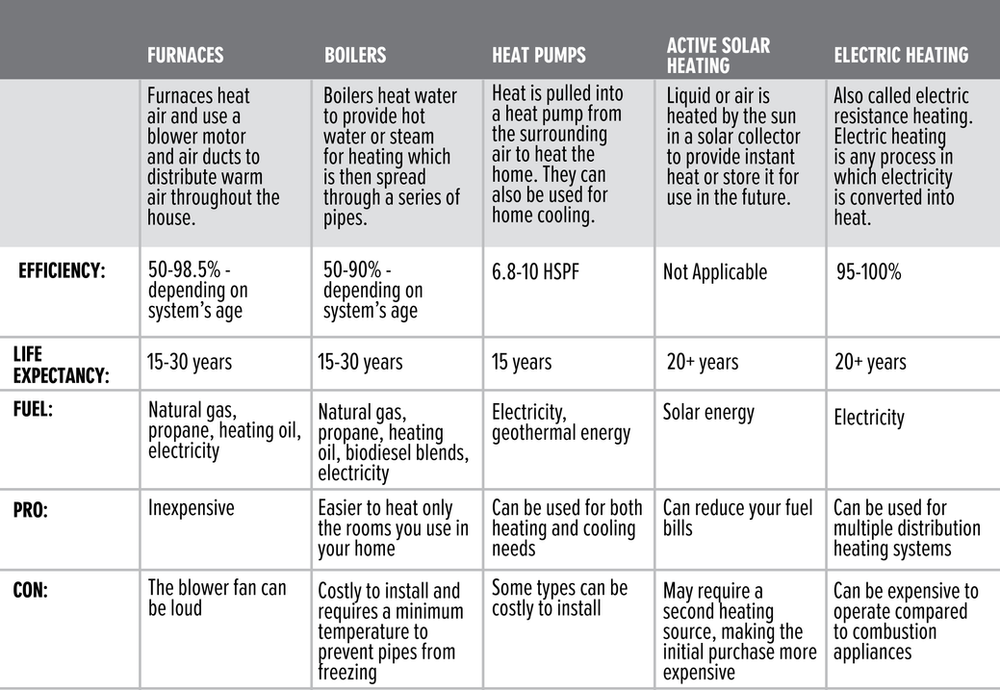
- Furnaces (forced air): Burn natural gas, propane, or use electricity to heat air and push it through ducts.
- Boilers (hydronic): Heat water for radiators or in-floor radiant systems; known for even, steady heat.
- Heat pumps: Move heat rather than create it; highly efficient in many climates (air-source or ground-source).
- Electric resistance: Baseboards or in-wall heaters; easy to install, higher operating cost in many regions.
- Oil systems: Common in some regions; consider modern high-efficiency units if replacing.
Distribution Methods
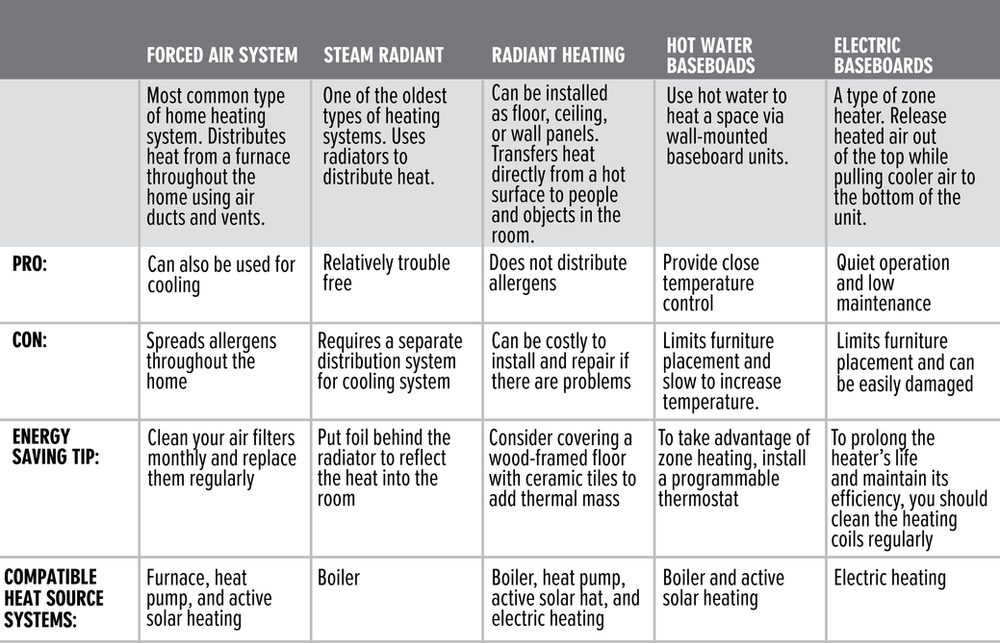
- Forced air: Ductwork delivers warm air to registers; can pair with filtration and humidification.
- Hydronic (radiators/baseboard): Heated water circulates through piping; quiet and comfortable.
- Radiant floors: Hydronic or electric coils warm flooring surfaces for even, room-wide comfort.
Types of Space Heaters (Use With Care)
- Wood or pellet stoves: Good where fuel is available; clean and service regularly for safety and efficiency.
- Portable & direct-vent wall heaters: Helpful for spot heating. Unvented combustion units can be dangerous if misused—follow manufacturer guidance strictly.
- Fireplaces: Add a heat-air exchange or insert to improve efficiency; inspect and clean chimneys regularly.
Selecting a Heating System
- Fuel availability: Options depend on your location (e.g., natural gas, electricity, propane, oil).
- Climate: Warmer areas may use room heaters; colder regions benefit from central systems or cold-climate heat pumps.
- Efficiency: High-efficiency units cost more upfront but save on bills (look for ENERGY STAR where applicable).
- Proper sizing: Oversized systems waste energy and cycle poorly—work with a qualified contractor to size correctly.
Routine Maintenance Checklist
- Clean/replace air filters regularly (monthly checks during heating season).
- Seal and insulate ducts or heating pipes—especially in attics/crawlspaces.
- Clean heat exchangers; remove dirt, soot, and corrosion as needed.
- Keep vents, baseboards, and radiators clear of furniture and dust.
Ways to Cut Your Heating Bills
- Open curtains by day to capture solar heat; close them at night to reduce heat loss.
- Use a programmable or smart thermostat to lower temperatures when away or sleeping.
- Air seal cracks and add insulation to walls and attics to reduce heat loss.
- Weather-strip doors and windows; ensure ductwork in unheated areas is insulated.
- Set ceiling fans to spin clockwise in winter to push warm air down.
- Keep chimneys and flues clean and in good working order.
Energy-Saving Tips Before You Upgrade
- Improve home efficiency first (air sealing + insulation) so you can install a smaller, less expensive system.
- Smart/programmable thermostats can save up to an estimated ~10% on heating/cooling annually with proper settings.
Resources & Next Steps
Explore this guide from the U.S. Department of Energy:
Questions about heating maintenance for your property? Contact Bullseye Property Management & Realty or explore our Property Management Services.
 H0-6 Policy – What is it and why do I need one?
Leave a Reply